Hosted by CPAI
Upcoming
When AI Finds 327 Issues Before Launch
How food and beverage teams triage compliance flags without slowing the plant
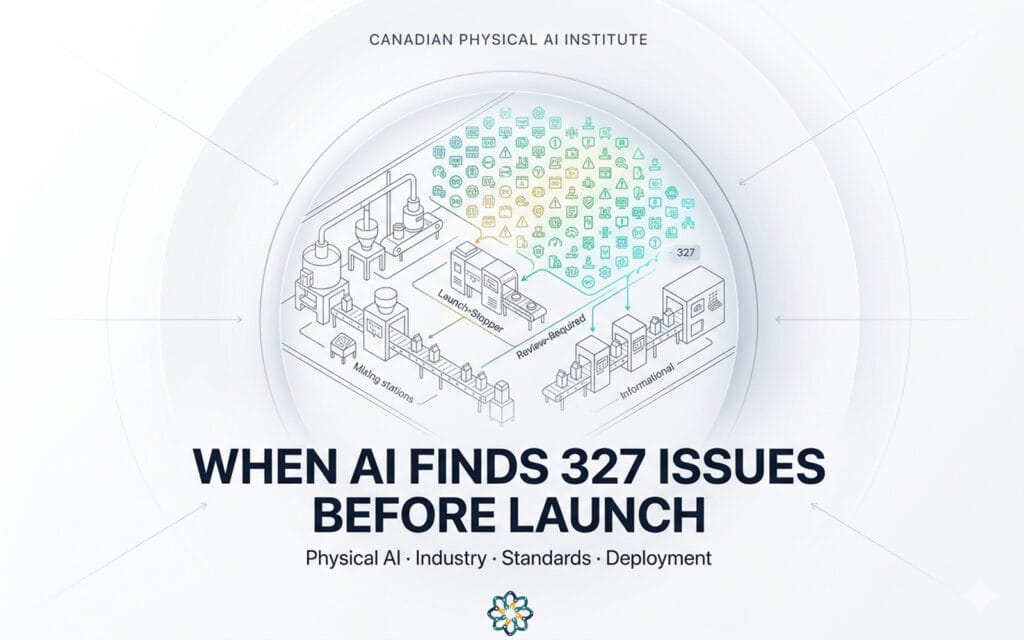
AI can now compare formulas, specs, supplier documents, claims, labels, and regulatory rules faster than people can review the results. That sounds like progress until your team is staring at hundreds of flags two days before launch.
This practical event shows food and beverage manufacturing teams how to decide which AI-generated exceptions should stop launch, which need human review, and which are low-value noise.
Instead of treating every flag the same, attendees will learn a simple operating model for exception severity, decision rights, escalation deadlines, and evidence requirements.
Why this matters now
Food and beverage companies are adding AI and automation to review more documents, labels, specs, and supplier records. But more detection does not automatically mean better control.
The real bottleneck is no longer finding issues.
The bottleneck is deciding which issues matter, who owns them, and how fast they must be resolved.
Without a triage model, teams risk launch delays, unnecessary escalations, missed critical issues, duplicate reviews, and declining trust in the system.
What you will learn
By the end of the session, attendees will be able to:
- Separate launch-stoppers from review-required issues and informational noise
- Assign the right owner for each type of exception
- Set escalation deadlines based on risk and launch timing
- Define what evidence is required before an exception can be cleared
- Reduce duplicate, low-value, and repeatedly ignored alerts
- Decide where AI can assist and where human sign-off is still required
Attendees receive
Exception Severity Model template
Decision-Rights Map for AI-generated compliance flags
12-Flag Triage Drill worksheet
Evidence Required checklist
Alert Hygiene Metrics tracker
Best fit for companies that are
Using or evaluating AI for label, specification, supplier-document, or regulatory review
Managing high volumes of product changes, launches, reformulations, or private-label requests
Struggling with too many exceptions before launch
Trying to reduce review bottlenecks without weakening compliance oversight
Working across U.S. and Canadian food and beverage markets
Who Should Attend
Sponsors And Partners
Normal Sponsers
Related Upcoming Sessions